Transform Your Outdoor Space: Creative Fence Styles to Suit Every Style
Enhancing an open-air environment starts with the ideal fence style. Unique options exist for all tastes, no matter if someone chooses crisp minimalist styles or the charm of natural timber. Bold artistic selections can enhance individual style. as sturdy textured panels provide privacy. Homeowners wanting a organic element, living fences create a seamless blend with surroundings. Each option presents notable strengths, prompting a more thoughtful consideration of how to identify the best option for all types of outdoor areas.
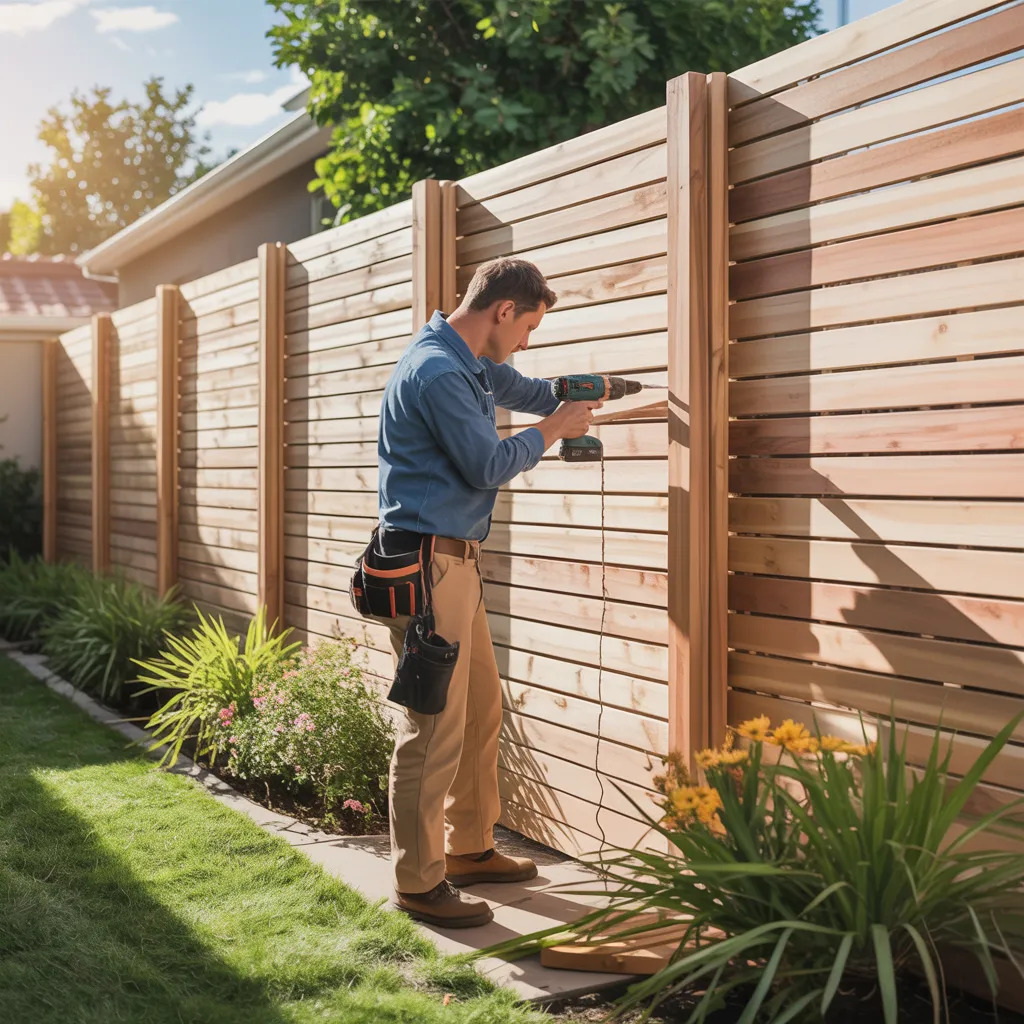
Uncover the Beauty of Modern Minimalism in Fencing Designs
In what ways can modern minimalism transform outdoor spaces via fencing designs? This design approach highlights simplicity, clean lines, and practicality, turning ordinary fencing into remarkable features that elevate rather than hinder views. Minimalist fencing frequently incorporates materials such as metal, concrete, or clear glass, creating a subtle boundary that effortlessly blends with the surrounding landscape.
Using this technique, the focus shifts from ornate embellishments to the purity of form, letting the natural surroundings become the focal point. Tones are commonly restrained, leaning toward organic colors that blend with open-air environments.
Such concepts place a premium on practicality, often featuring modular systems that can be easily adjusted or expanded. This flexibility addresses a wide range of needs, whether focusing on seclusion or decorative appeal. At its core, modern minimalist fencing delivers a refined solution that elevates outdoor spaces, fostering a sense of openness while providing necessary delineation.
Discover Classic Fence Styles With Real Wood Options
Rustic fencing offers a contrasting approach to contemporary minimalism, showcasing warmth and organic charm through the use of raw wood. This fencing style takes inspiration from the natural world, featuring materials including cedar, pine, and reclaimed wood. Each element tells its own story, associated article highlighting distinctive textures and grain patterns that elevate the overall aesthetic.
Rustic fences come in a variety of styles, including post-and-beam, picket, or split-rail styles, complementing diverse outdoor settings. These fences integrate naturally with gardens, meadows, and wooded areas, creating a harmonious connection with the environment. Additionally, rustic fencing is often more environmentally friendly, utilizing sustainable materials and practices.
Homeowners seeking to evoke a rustic, rural atmosphere in their yard will find natural wood fencing an appealing choice. Its enduring charm and organic beauty render it a perfect fit for traditional and modern outdoor settings, evoking a spirit of calm and timeless beauty.
Tips for Picking Colorful and Artistic Fencing for Your Property
Which factors determine the selection of colorful and artistic fencing for a location? Above all, the architectural style and surrounding landscape play a considerable role. Residents often desire colors that harmonize with their properties or provide a striking contrast for added appeal. Additionally, the primary function of the fencing—whether for boundary marking, protection, or decor—can influence design decisions.
The choice of materials also affects color availability; as an example, wood can be painted or stained, while metal often requires specific coatings. Local climate should not be overlooked, as certain finishes may fare better against weather conditions.
Furthermore, one's own aesthetic sensibilities guide many selections; diverse and varied designs often attract those who prefer striking statements, while muted and gentle hues tend to harmonize with timeless design preferences. When all is considered, a deliberate and mindful application of hues and artistry can considerably improve the mood of an outdoor setting, shaping it into a personal testament to the homeowner's unique identity.
Seeking Greater Privacy? Consider Tall, Textured Fencing
Seeking enhanced privacy in outdoor spaces often leads homeowners to contemplate tall, textured fencing as an effective solution. Such fencing not only acts as a protective barrier but also introduces a charming decorative element to the outdoor environment. The considerable height of the fencing effectively prevents intrusive gazes, establishing a tranquil atmosphere for rest and various outdoor activities.
Textured surface options, like wood grain textures or ornamental panels, contribute to visual interest while still providing the required privacy. These options can be tailored to suit different architectural aesthetics, from modern to rustic, enabling effortless blending into current property designs. Additionally, high-profile textured fencing offers functional advantages, like wind protection and noise reduction, elevating the quality of outdoor living. Property owners frequently realize that choosing this style of fencing not only strengthens privacy but also elevates the value and enjoyment of their property.
Utilize Living Fences to Harmonize With Nature
Living fences offer a natural and attractive approach to enhance outdoor spaces while effortlessly harmonizing with the surrounding landscape. Composed of diverse plants, shrubs, and trees, these organic formations not only offer privacy but also support biodiversity. They can be tailored to suit specific environmental conditions, promoting sustainability and reduced upkeep.
Including native species cultivates a bond to the surrounding natural environment, inviting beneficial wildlife such as birds, insects, and pollinators. Green fences can take various forms, from traditional hedgerows to modern vertical gardens, permitting homeowners to customize their design according to available space and personal style.
In addition, they can serve as windbreaks or noise barriers, increasing the appeal of open-air environments. All things considered, living fences provide a sustainable alternative to conventional fencing, beautifying the landscape while supplying useful benefits that work in harmony with nature. Their distinctive traits ensure that open-air environments stay vibrant and attractive throughout the year.
Combine Different Fencing Styles for a Cohesive Look
While maintaining a cohesive aesthetic is essential for outdoor spaces, combining different fencing styles can create a unique and visually appealing environment. This strategy gives homeowners the opportunity to reflect their personality while elevating the overall beauty of their property. By intentionally blending elements such as wood, metal, and vinyl, one can accomplish a textured result that contributes dimension and visual intrigue.
As an example, matching a traditional wooden picket fence with a sleek metal gate can create a striking contrast, merging traditional and modern elements. Likewise, incorporating a stone wall section alongside a modern fence can create a seamless shift between diverse design themes. It is vital, however, to guarantee that the colors and textures enhance one another, maintaining harmony throughout the space. In the end, a thoughtfully designed combination of fencing styles not only enhances the aesthetic quality but also embodies the homeowner's personality and lifestyle.
Questions We Often Receive
What Materials Are Best for Durable Outdoor Fencing?
Wood, vinyl, metal, and composite materials are considered best for durable outdoor fencing. Each offers unique benefits, such as resistance to weather, longevity, and low maintenance, making them suitable choices for various environments and styles.
How Can I Keep My Fence Well-Maintained Over Time?
To keep a fence in good condition, regular inspections for damage are essential. Scrubbing surfaces, coating wood with protective treatments, and swiftly handling rust or deterioration will increase its longevity and copyright its appearance.
Are There Local Regulations for Fence Height and Design?
Local regulations for fence height and design vary by municipality. Homeowners are advised to review local zoning laws and building codes to ensure compliance, as rules may cover height boundaries, approved materials, and design guidelines particular to their locality.
What Is the Average Cost of Different Fencing Styles?
The average cost of fencing styles varies considerably: wood fencing costs between $10 and $30 per linear foot, vinyl typically ranges from $20 to $40, while chain-link fencing generally runs between $7 and $15, depending on materials and installation.
Is It Better to Install Fencing Myself or Hire a Professional?
Homeowners can handle fencing installation on their own if they have the required skills and equipment; however, enlisting a professional secures quality installation, conformity with local regulations, and may ultimately save both time and effort.